
As I stood in my kitchen, the aroma of sizzling panko crumbs filled the air, instantly transporting me to my favorite Japanese eatery. I couldn’t resist whipping up Crispy Japanese Katsu Bowls with Tonkatsu Sauce, a dish that beautifully marries crunchy textures with savory umami goodness. Each bite showcases the perfectly golden-brown cutlets of pork or chicken served over a fluffy bed of steamed rice, generously drizzled with that rich, tangy sauce. What I love most about this meal is not just how effortlessly it can be made at home but also how it brings people together around the table. It’s quick prep means less time cooking and more time enjoying company, making it the ultimate crowd-pleaser. Are you ready to elevate your home-cooking game with this delightful comfort dish?
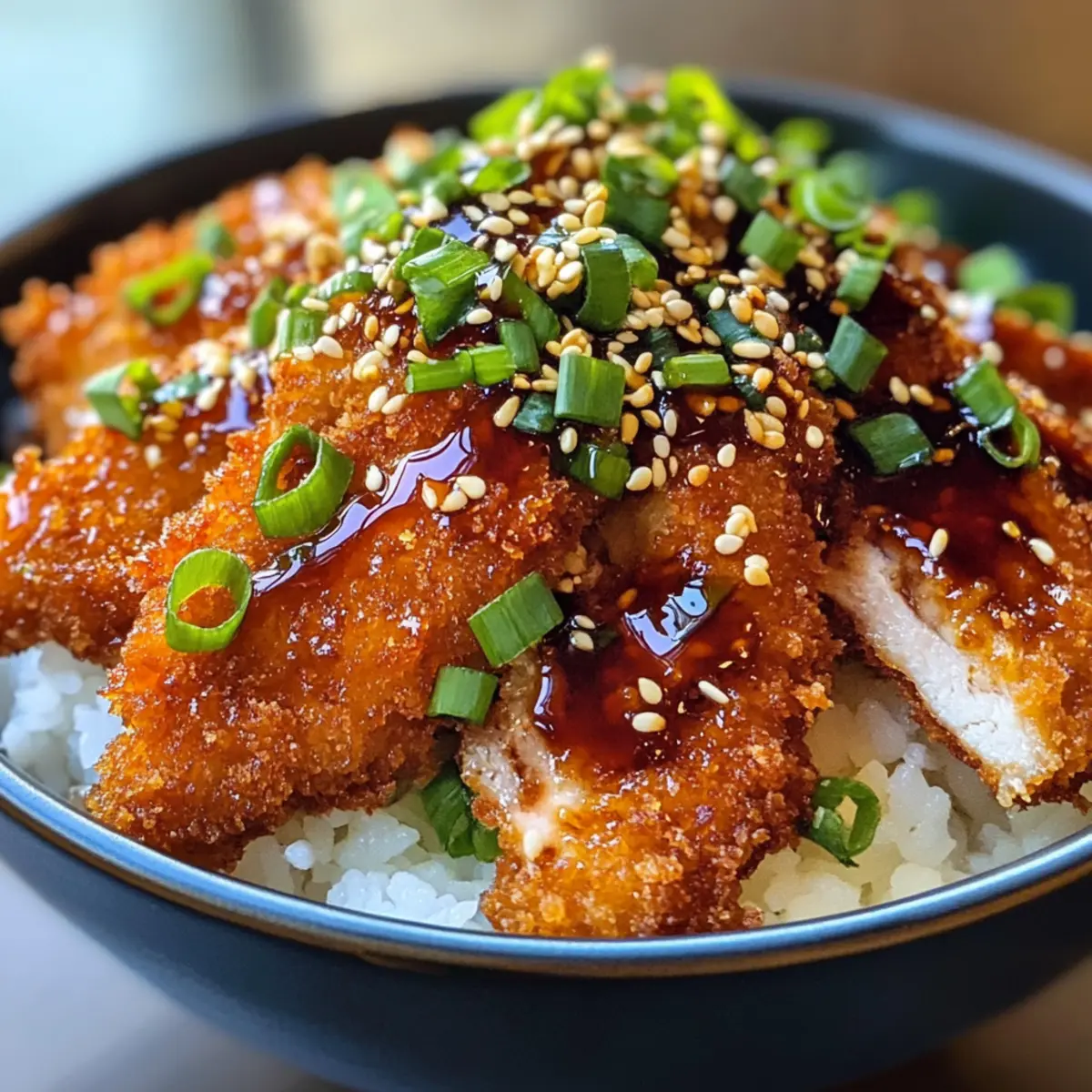
Why Make Japanese Katsu Bowls?
Crispy Perfection: The panko breadcrumbs create an irresistible crunch that keeps you coming back for more.
Savory Umami: Each bite is packed with rich, savory flavor, making this meal both satisfying and memorable.
Quick and Easy: In under 30 minutes, you can whip up this restaurant-quality meal at home, perfect for busy weeknights.
Versatile Meal Base: Pair your Katsu with a side of miso soup or pickled vegetables for a complete experience. You’ll never tire of mixing up the sides!
Crowd-Pleaser: With its delicious flavors and stunning presentation, this dish is sure to impress friends and family during gatherings. Add a twist by trying it with different proteins or toppings!
Elevate your dinner tonight with these enticing Katsu Bowls and enjoy an unforgettable meal.
Japanese Katsu Bowls Ingredients
For the Cutlets
• Pork/Chicken Cutlets – Choose pork loin or chicken breast for a juicy base that stands up to frying.
• Panko Breadcrumbs – These create the signature crunchy texture; regular breadcrumbs can be used as a substitute if needed.
• Egg – Whisked well, it acts as a binder for the breadcrumbs and enhances adhesion.
• Flour – A dusting helps the egg stick; all-purpose flour works great, while cornstarch is a gluten-free option.
For the Bowl
• Steamed Rice – Short-grain or jasmine rice offers a perfect fluffy base; consider using day-old rice for firmer texture.
• Tonkatsu Sauce – This rich sauce adds the tangy flavor that makes Japanese Katsu Bowls so irresistible; feel free to use store-bought or homemade.
Seasoning
• Salt & Pepper – Season to enhance the natural flavors of the meat and coating; adjust according to taste for the perfect balance.
Embrace the joy of cooking with these Japanese Katsu Bowls with Tonkatsu Sauce, and enjoy every delightful morsel!
Step‑by‑Step Instructions for Japanese Katsu Bowls with Tonkatsu Sauce
Step 1: Prepare Ingredients
Begin by setting up a breading station to streamline your process for the Japanese Katsu Bowls. Place a shallow dish with all-purpose flour, a separate bowl with whisked eggs, and another dish filled with panko breadcrumbs. This efficient layout will make layering the flavors easy and quick.
Step 2: Bread the Cutlets
Take your pork or chicken cutlets and season them with salt and pepper to enhance their flavors. First, dredge each cutlet in flour, shaking off the excess, then dip it into the beaten egg, allowing any extra egg to drip off. Finally, coat the cutlet thoroughly with panko breadcrumbs, pressing down gently to ensure they adhere well, creating that signature crispiness.
Step 3: Fry the Cutlets
In a large skillet, heat about half an inch of vegetable oil over medium-high heat until shimmering—around 350°F (175°C) is ideal. Carefully add the breaded cutlets, frying them for 4-5 minutes on each side, or until they become a beautiful, golden brown color. You’ll know they’re ready when the outer layer is crispy and the internal temperature reaches 165°F (73.9°C).
Step 4: Make Tonkatsu Sauce (if homemade)
While the cutlets are frying, you can whip up a quick homemade tonkatsu sauce. In a bowl, combine ingredients such as ketchup, Worcestershire sauce, soy sauce, and a touch of sugar for sweetness. Mix well until all the ingredients are combined, and adjust the flavors according to your taste preferences.
Step 5: Assemble Bowls
Once the cutlets are ready and resting on a paper towel to absorb excess oil, it’s time to assemble your Japanese Katsu Bowls. Serve each cutlet atop a generous scoop of fluffy steamed rice. Drizzle with the rich tonkatsu sauce you prepared earlier, allowing the flavors to meld beautifully as you savor each delightful bite.
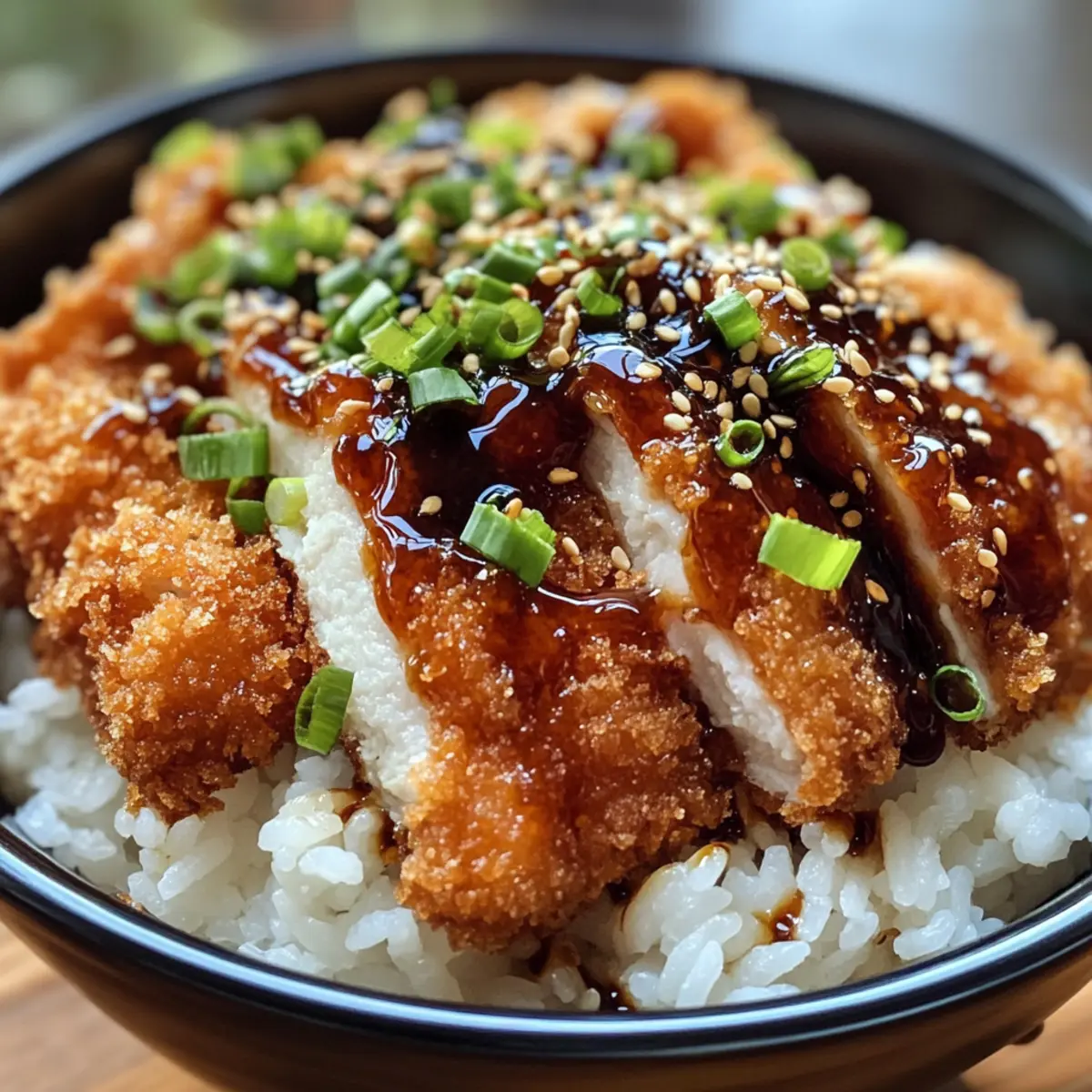
Japanese Katsu Bowls with Tonkatsu Sauce Variations
Feel free to get creative with your Japanese Katsu Bowls—each twist brings a new depth of flavor and excitement!
-
Vegetarian Option: Replace chicken or pork with crispy tofu for a delightful vegetarian-friendly dish that doesn’t sacrifice texture.
-
Gluten-Free: Use gluten-free panko breadcrumbs and cornstarch for a fabulous, gluten-free twist on this delicious meal.
-
Spicy Kick: Spice things up by adding a drizzle of Sriracha or a sprinkle of chili flakes to the tonkatsu sauce for fiery flavor.
-
Toppings Galore: Top with shredded cabbage, green onions, or a soft-boiled egg to add freshness and complexity to every bite.
-
Different Proteins: Switch it up—try using beef or shrimp instead of traditional chicken or pork for an exciting flavor change.
-
Homemade Sauce Ideas: Experiment with your tonkatsu sauce by adding teriyaki or ginger for additional flavor layers, elevating the umami experience.
-
Add Some Crunch: Include a layer of toasted sesame seeds along with the breadcrumbs for an extra nutty texture and flavor.
-
Sushi Bowl Variation: For a fun twist, transform your katsu into a sushi bowl and serve it with sushi rice, seaweed, and pickled ginger. This playful take keeps it both fresh and engaging!
These variations keep your meals interesting and encourage you to explore new flavors—don’t hesitate to mix and match! For even more inspiration, why not explore these mouthwatering recipes for Turkey Meatballs Tzatziki or the delectable Caramelised Soy Rice?
Make Ahead Options
Preparing Japanese Katsu Bowls with Tonkatsu Sauce ahead of time is a fantastic way to save precious minutes on busy weeknights! You can bread the pork or chicken cutlets up to 24 hours in advance; simply keep them in a single layer on a baking sheet covered with plastic wrap in the refrigerator to maintain their crispiness. The tonkatsu sauce can also be made ahead and stored in an airtight container for up to 1 week. When you’re ready to serve, just fry the cutlets fresh for that beloved crunch, and warm the rice while the cutlets cook. This method ensures you’ll enjoy restaurant-quality flavors with minimal effort, allowing more time to relax and savor your meal!
Expert Tips for Japanese Katsu Bowls
• Perfect Temperature: Use a thermometer to ensure your meat reaches 165°F (73.9°C) for safe and delicious meals every time.
• Crunchy Coating: Press down on the panko breadcrumbs firmly after coating to guarantee a crisp exterior that holds up during frying.
• Avoid Overcrowding: Fry only a few cutlets at a time; this keeps the oil hot and ensures each piece cooks evenly and crisply.
• Homemade Sauce Magic: Experiment with your tonkatsu sauce by adding sweetness or spice, tailoring it to your taste while enhancing the umami of your Japanese Katsu Bowls.
• Make Ahead: Prepare your tonkatsu sauce in advance and store it in the fridge for easy access throughout the week, saving cooking time on busy nights.
Storage Tips for Japanese Katsu Bowls with Tonkatsu Sauce
Fridge: Store cooked katsu in an airtight container for up to 3 days. This keeps it fresh and helps preserve its crispy texture, so you can enjoy it later.
Freezer: If you want to keep leftovers longer, freeze the katsu by wrapping each piece tightly in plastic wrap and then placing it in a freezer-safe bag. It can be stored for up to 2 months.
Reheating: Reheat thawed katsu in the oven at 375°F (190°C) for about 10-12 minutes, avoiding the microwave to maintain its crunch.
Sauce Storage: Any leftover tonkatsu sauce can be stored in the fridge for up to a week, making it easy to pair with other dishes or use as a dipping sauce later.
What to Serve with Japanese Katsu Bowls with Tonkatsu Sauce
Prepare for a perfect dining experience by adding a few delightful sides to your meal.
-
Miso Soup: A warm, soothing bowl of miso soup complements the cranky katsu with its umami depth, balancing the meal beautifully.
-
Pickled Vegetables: Bright, tangy pickles add a refreshing contrast to the rich flavors of the katsu, cleansing the palate with each bite. You may enjoy the crunch and vibrant colors, making your meal visually appealing.
-
Edamame: These lightly salted, steamed soybeans offer both a pop of color and a satisfying bite, serving as a healthy finger food. The subtle taste pairs well without overshadowing the katsu.
-
Shredded Cabbage Salad: A simple salad, dressed lightly, adds a crisp texture to your bowls. The freshness will enhance the deeper flavors of the katsu, making every mouthful delightful.
-
Cold Soba Noodles: Serve chilled soba noodles with a dipping sauce to bring a different texture to the table. Their earthy flavor provides a pleasing complement to the savory katsu.
-
Green Tea: A warm cup of green tea or barley tea adds warmth and authenticity to your meal, enhancing the overall dining experience.
Enjoy exploring these delicious accompaniments alongside your Japanese Katsu Bowls with Tonkatsu Sauce!
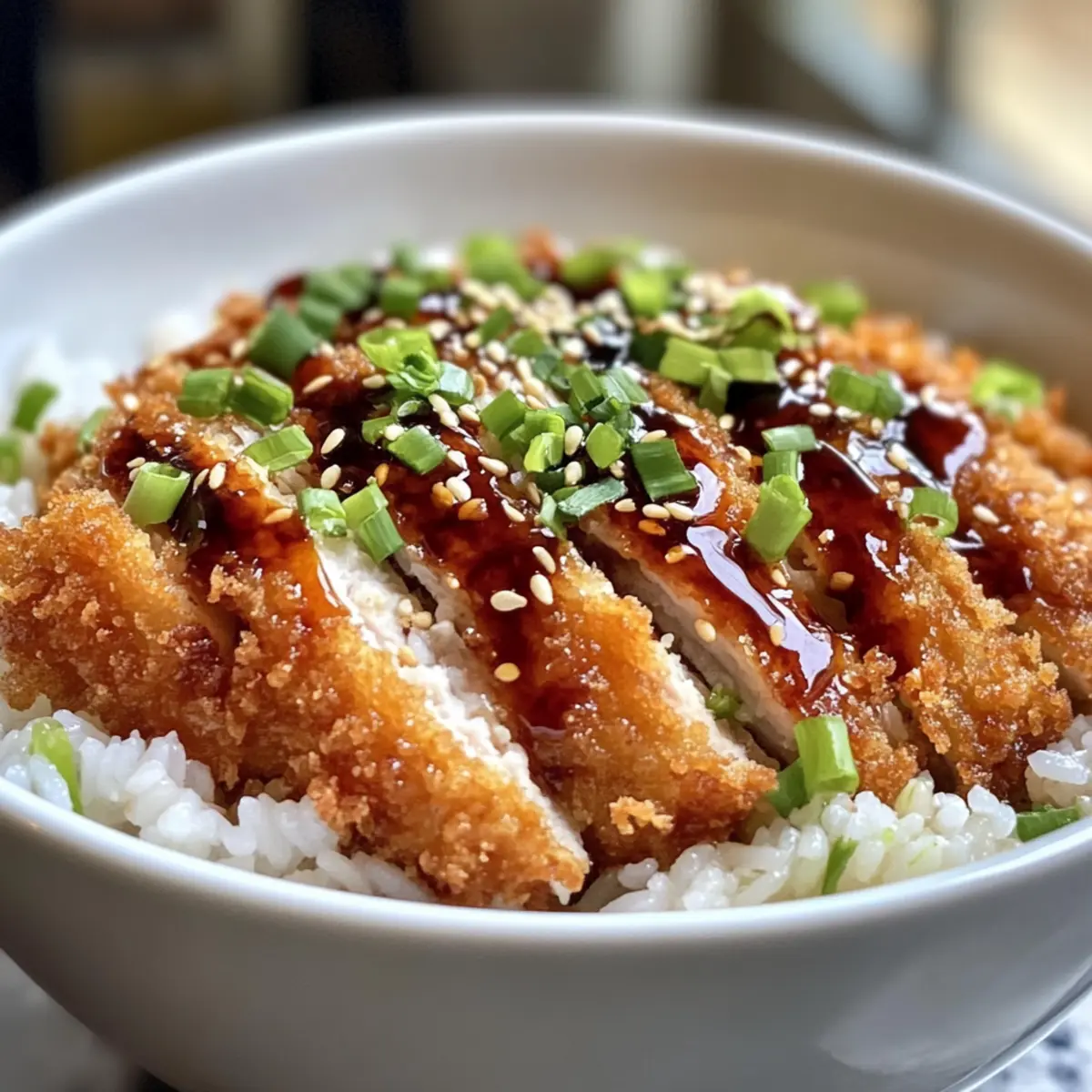
Japanese Katsu Bowls with Tonkatsu Sauce Recipe FAQs
How do I choose the right cut of meat for Katsu?
Absolutely! For the best flavor and texture, I recommend using pork loin or chicken breast. Look for cuts that are well-marbled as they will stay juicy during frying. Avoid any packages with dark spots all over, as they indicate spoilage.
How long can I store cooked Katsu in the fridge?
Very! You can store cooked Katsu in an airtight container in the fridge for up to 3 days. Just be sure to let it cool completely before sealing, which helps maintain its crispy texture. To enjoy it again, reheat in the oven for the best results!
Can I freeze leftovers?
Absolutely! To freeze your Katsu, wrap each individual piece tightly in plastic wrap and then place them in a freezer-safe bag. This way, they’ll stay fresh for up to 2 months. When you’re ready to eat, thaw in the fridge overnight and reheat in the oven at 375°F (190°C) for about 10-12 minutes.
What if my Katsu isn’t crispy enough after frying?
Oh, I feel you! If your Katsu isn’t crispy, it could be due to several factors. Ensure the oil is hot enough; it should shimmer before adding the cutlets. Also, press down firmly on the panko when coating to help it stick. Lastly, avoid overcrowding the pan as this can lower the oil temperature. Fry fewer cutlets at a time for that perfect crunch!
Is Tonkatsu sauce safe for my kids and pets?
Great question! Tonkatsu sauce typically contains ingredients like soy sauce, which can be high in sodium. It’s suitable for kids in moderation, but I’d advise against giving it to pets due to the ingredients like Worcestershire sauce that can be harmful to them. Always check for allergies if you’re serving to guests!
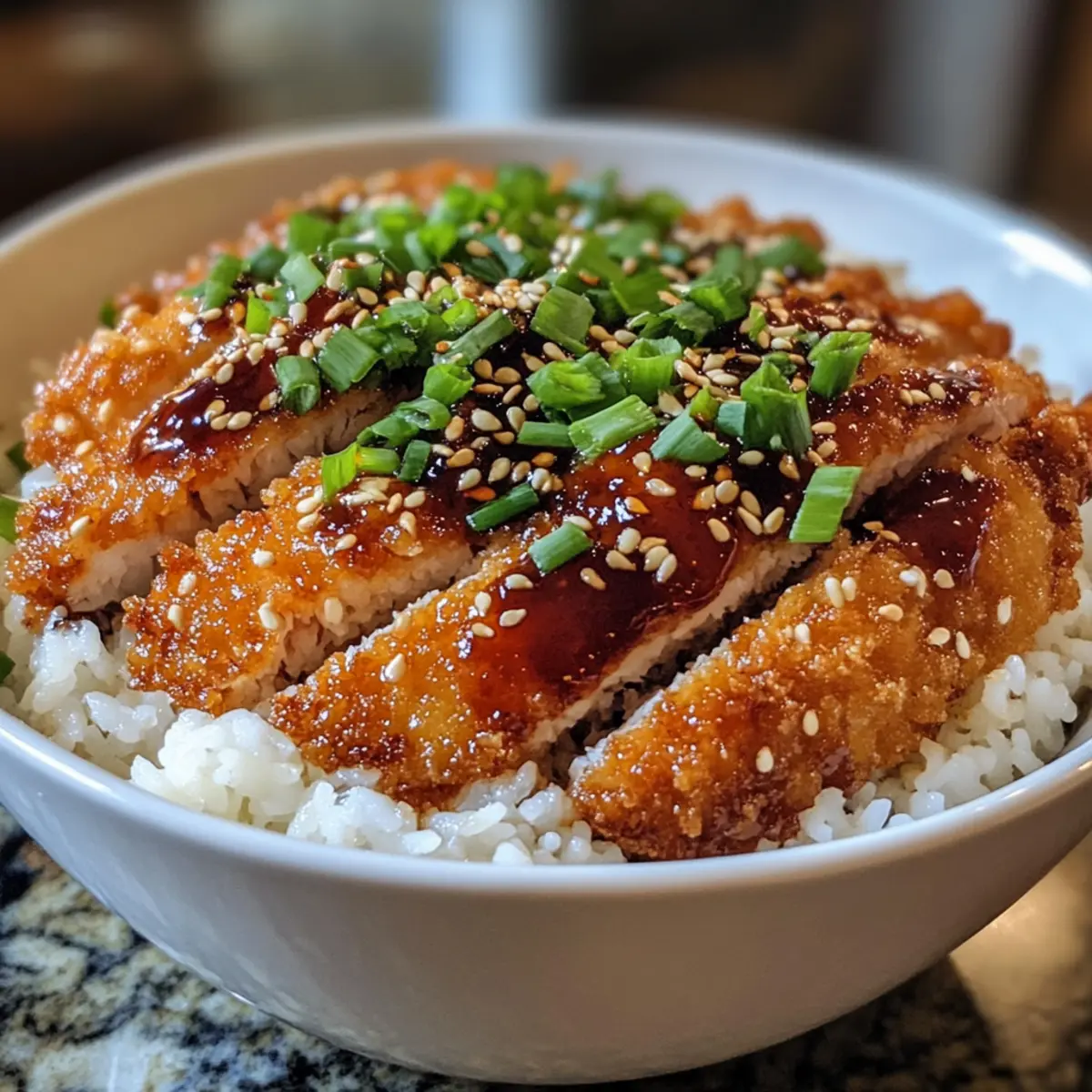
Japanese Katsu Bowls with Tonkatsu Sauce for Ultimate Comfort
Ingredients
Equipment
Method
- Prepare a breading station with flour, whisked eggs, and panko breadcrumbs.
- Season cutlets with salt and pepper, then dredge in flour, dip in egg, and coat with panko.
- Fry cutlets in heated vegetable oil for 4-5 minutes per side until golden brown.
- If making homemade tonkatsu sauce, mix ketchup, Worcestershire sauce, soy sauce, and sugar together.
- Serve cutlets over steamed rice, drizzling with tonkatsu sauce.
Leave a Reply