
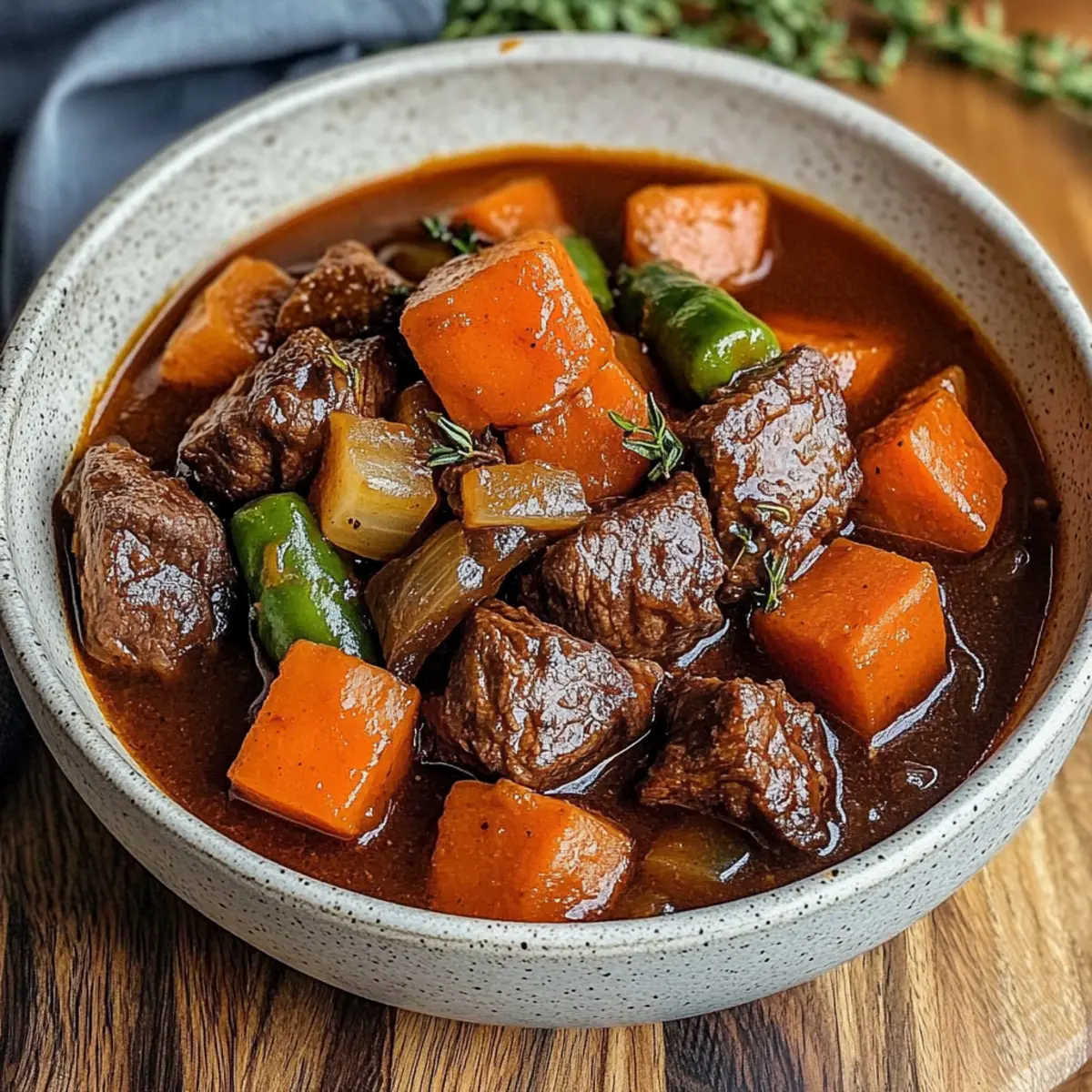
As the winter chill sets in, there’s nothing quite like the aroma of a traditional Scottish beef stew wafting through the kitchen. This slow-cooked Scottish Beef Stew is a warm embrace on a plate, featuring tender Aberdeen Angus beef paired with earthy root vegetables and simmered in rich red wine. Not only does it make for a hearty family dinner, but it’s also perfect for batch cooking, allowing you to enjoy comforting meals throughout the week. Whether you’re cozying up at home or entertaining friends, this stew promises to satisfy your cravings and warm your heart. Ready to dive into the rich, delicious details?
What Makes This Stew Irresistible?
Comforting flavors emerge from the tender Aberdeen Angus beef and a medley of root vegetables simmered to perfection. Tradition meets convenience with a recipe that’s ideal for batch cooking and makes the perfect meal to savor throughout the week. Versatile enough to adapt with alternate ingredients, you can add or swap vegetables based on your preference, just like my One Pot Beef. Freezer-friendly, this dish can be made ahead, with flavors that deepen over time, offering warmth whenever you need it. Enjoy it with a side of crusty bread for the ultimate cozy night in!
Slow Cooked Scottish Beef Stew Ingredients
• Get ready for a delightful meal as you gather your ingredients!
For the Stew
- Vegetable Oil – Helps brown the beef, enhancing its flavor; olive oil works well as a substitute.
- Aberdeen Angus Braising Beef (1 kg / 2.2 lbs) – The star of the dish, providing depth; chuck steak is a solid alternative.
- Plain Flour (2 tbsp) – Coats the beef for a crisp finish and helps thicken the stew; cornstarch is a gluten-free option.
- Onions (2 large) – Adds sweet, aromatic notes; shallots can be used for a milder taste.
- Garlic (3 cloves) – Intensifies flavor; garlic powder can substitute in a pinch.
- Red Currant Jelly (2 tbsp) – Brings sweetness and acidity; swap with cranberry sauce if desired.
- Red Wine (500 ml) – Infuses depth and color; replace with beef stock and balsamic vinegar for a non-alcoholic variant.
- Carrots (2 large) – Introduces sweetness and texture, making the stew hearty.
- Potatoes (2 medium) – Adds heartiness and helps thicken the stew during cooking.
- Swede (½ small) – Contributes natural sweetness; parsnips or turnips serve as ideal substitutes.
- Beef Stock (700 ml) – Forms the flavorful base; homemade or store-bought options work well.
- Tomato Puree (2 tbsp) – Boosts umami and color with no need for substitution.
- Worcestershire Sauce (1 tbsp) – Adds a complex flavor; soy sauce can be a tasty alternative.
- Bay Leaves (4) – Infuse the stew with herbal aroma; remember to remove them before serving.
- Dark Brown Sugar (2 tsp) – Balances acidity with sweetness; white sugar can be used if needed.
- Salt and Black Pepper (¾ tsp each) – Critical for seasoning the stew; adjust to taste depending on preference.
Now that you have your ingredients ready, let’s create a comforting dish that will not only warm your belly but also bring joy to your dining table with this slow cooked Scottish beef stew!
Step‑by‑Step Instructions for Slow Cooked Scottish Beef Stew
Step 1: Brown the Beef
In a large pot, heat 2 tablespoons of vegetable oil over medium-high heat. Once the oil shimmers, add 1 kg of Aberdeen Angus braising beef, searing in batches for 5–7 minutes until golden brown on all sides. This step locks in the meat’s rich flavors, so make sure each piece develops a nice crust before transferring it to a plate.
Step 2: Coat the Beef
Next, sprinkle 2 tablespoons of plain flour over the browned beef, stirring thoroughly to coat each piece evenly. This will help thicken your slow cooked Scottish beef stew as it simmers. Once coated, set the beef aside and keep the fond from the bottom of the pot, as it adds flavor to the stew.
Step 3: Sauté Onions and Garlic
In the same pot, add the chopped onions and crushed garlic. Sauté them over medium heat for about 4–5 minutes until the onions are transparent and fragrant. The softened onions will add a natural sweetness to your stew, laying the foundation for the warm flavors that are about to develop.
Step 4: Incorporate Red Currant Jelly
Stir in 2 tablespoons of red currant jelly with the sautéed onions and garlic until it melts, about 1–2 minutes. This addition introduces a beautiful sweetness that balances the savory components. Once melted, return the browned beef to the pot, helping it to mingle with these rich flavors.
Step 5: Add Liquids and Vegetables
Pour in 500 ml of red wine, scraping the pot’s bottom to release those lovely browned bits. Let it simmer for 2 minutes to reduce slightly, then add your chopped carrots, diced potatoes, and swede. Pour in 700 ml of beef stock, followed by 2 tablespoons of tomato puree and 1 tablespoon of Worcestershire sauce, stirring well to combine.
Step 6: Season and Simmer
Now it’s time to enhance the flavors; add 4 bay leaves, 2 teaspoons of dark brown sugar, and ¾ teaspoon each of salt and black pepper to the pot. Bring everything to a boil, then reduce the heat to a low simmer. Cover the pot and allow it to cook, ensuring the flavors meld beautifully for about 3 hours in the oven at 160°C (320°F) or 6-8 hours in a slow cooker.
Step 7: Final Touches
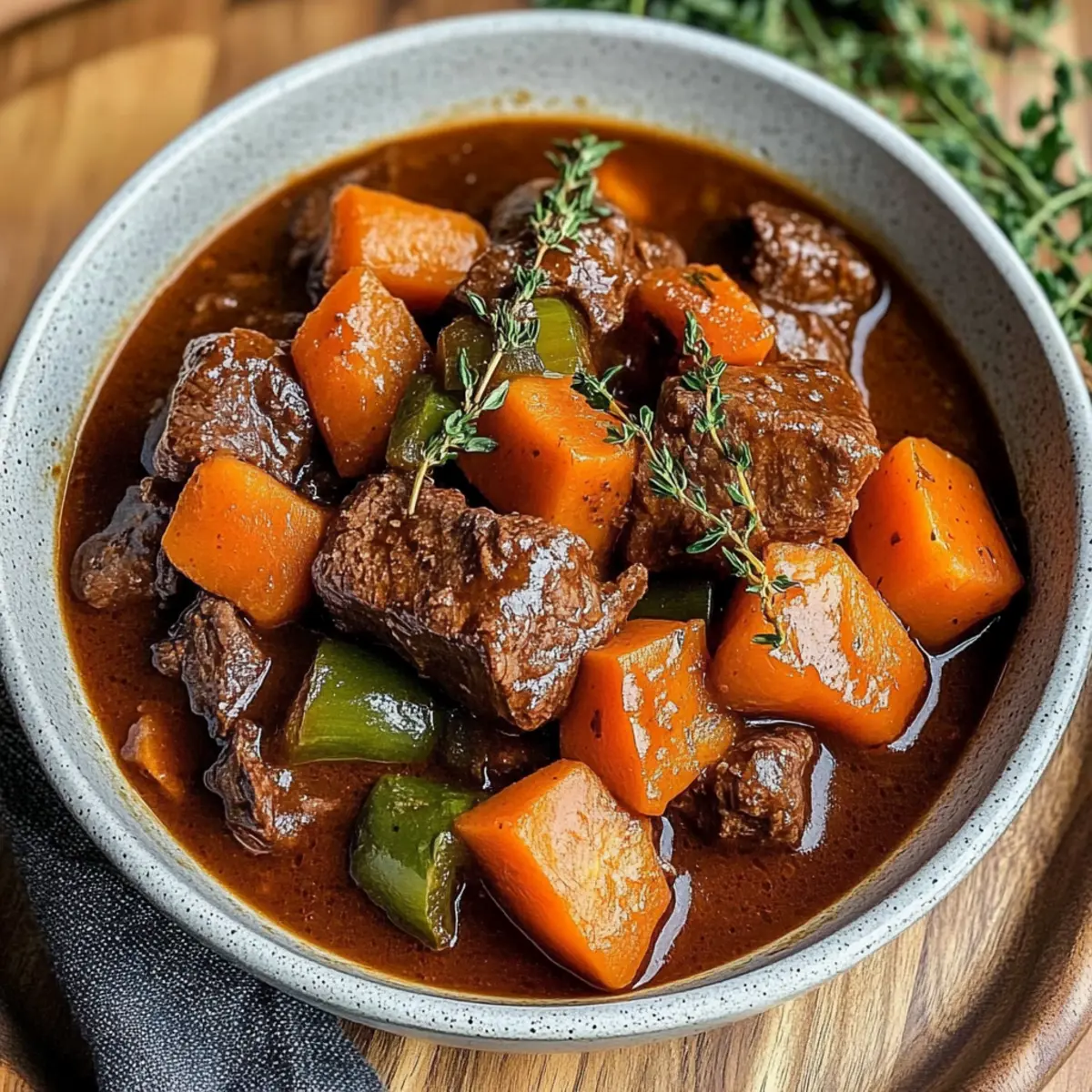
Once the beef is tender and the stew has thickened, carefully remove the bay leaves. This is an important step as the leaves add flavor but should not be served. Serve the warm, hearty slow cooked Scottish beef stew topped with fresh thyme, accompanied by crusty bread to soak up the rich sauce.
What to Serve with Slow Cooked Scottish Beef Stew
As aromas of this hearty stew swirl through your kitchen, you’ll want to craft the perfect complete meal that delights the senses.
- Crusty Bread: Perfect for sopping up every drop of rich sauce, this warm, chewy loaf enhances the comforting experience.
- Buttery Mashed Potatoes: Fluffy and creamy, they provide a luscious contrast to the stew’s depth while soaking up its flavors beautifully.
- Roasted Root Vegetables: A mixture of sweet carrots, parsnips, and sweet potatoes brings a caramelized sweetness that complements the savory stew. Talk about indulgence!
- Herbed Green Salad: Crisp greens tossed with a zesty vinaigrette add freshness and brightness, balancing the richness of the stew with a delightful crunch.
- Steamed Broccoli: The slight bitterness of broccoli creates a pleasing contrast against the rich, stewed meat, offering both nutrition and vibrant color to your meal.
- Mulled Wine: Enjoy a warm, spiced glass that mirrors the hearty flavors in your stew—perfect for cozy winter nights!
- Apple Crumble: For dessert, a warm apple crumble will provide a sweet ending, the cinnamon spiced filling harmonizing beautifully with the savory stew you just savored.
How to Store and Freeze Slow Cooked Scottish Beef Stew
Fridge: Store your stew in an airtight container for up to 3 days. The flavors will deepen overnight, making it even more delicious for reheating later.
Freezer: Freeze portions of the chilled slow cooked Scottish beef stew in airtight containers for up to 3 months. This makes for an easy and hearty meal ready when you need it!
Reheating: When ready to enjoy, thaw the stew in the fridge overnight, then reheat gently on the stove over low heat or in a microwave until piping hot.
Cool Before Storing: Allow the stew to cool completely before refrigerating or freezing to preserve the texture and moisture.
Expert Tips for Slow Cooked Scottish Beef Stew
- Perfect Browning: Ensure the beef is well-browned: This develops rich flavors and a deep color. Don’t rush the browning process; patience pays off!
- Cool Before Storing: If making ahead, allow the stew to cool fully: This prevents a mushy texture when refrigerating or freezing.
- Taste and Adjust: Always taste and adjust seasoning before serving: This harmonizes the flavors and ensures the slow cooked Scottish beef stew is just right.
- Layering Flavors: Don’t forget the fond: Scrape the bottom of the pot after browning the beef for added depth in the stew’s sauce.
- Ingredient Variations: Feel free to mix vegetables: Adding your favorite root veggies can enhance flavor and texture while putting a personal touch on this traditional recipe.
Slow Cooked Scottish Beef Stew Variations
Feel free to play around with this recipe—your creativity will make it even cozier and delightful!
-
Beef Alternatives: Try using chuck steak or even lamb for a unique twist on the flavor profile. Each meat brings its own depth to the dish.
-
Vegetable Power: Add more veggies like parsnips or bell peppers to amp up the flavor while enhancing nutrition. Vegetables not only add color, but they also contribute to the overall heartiness.
-
Herb Infusion: Experiment with herbs like rosemary or thyme instead of bay leaves. You’ll find that these fragrant herbs elevate the stew with a fresh touch.
-
Spicy Kick: For those who love a bit of heat, toss in some chopped jalapeños or red pepper flakes. Just be careful to balance the heat, so it complements rather than overshadows the stew.
-
Wine-Free Version: Use beef stock mixed with balsamic vinegar to create a delightful non-alcoholic alternative. This version maintains robust flavors while being a great choice for family gatherings.
-
Creamy Addition: Stir in a splash of heavy cream or sour cream just before serving. This will give your stew a luxurious texture that everyone will love.
-
Sweetness Swap: If you prefer not to use sugar, a touch of honey or maple syrup can serve as a natural sweetener—perfect for balancing the dish’s flavors beautifully.
As you dive into these variations, consider how they can complement each other and the overall taste of your slow cooked Scottish beef stew. If you’re in the mood for something equally comforting, don’t forget to check out my Cheesy Ground Beef and Rice Casserole for another delightful meal option!
Make Ahead Options
These Traditional Scottish Beef Stew is perfect for meal prep enthusiasts looking to save time! You can chop all your vegetables (onions, carrots, potatoes, and swede) and store them in the refrigerator up to 3 days in advance, ensuring they remain fresh and ready to toss into your pot. Additionally, the beef can be browned and coated in flour a day ahead; just refrigerate it until you’re ready to continue. When you’re ready to serve, combine the prepped ingredients in your pot with the remaining components, simmer, and enjoy the same warm, comforting flavors with minimal effort. This approach helps to deepen flavors and makes weeknight meals a breeze!
Slow Cooked Scottish Beef Stew Recipe FAQs
What type of beef is best for this recipe?
Absolutely! Aberdeen Angus braising beef is ideal for its tenderness and rich flavor, but you can also use chuck steak for a more economical option. Just ensure it has a decent amount of marbling to keep the stew juicy and flavorful.
How long can I store the slow cooked Scottish beef stew in the refrigerator?
You can safely store your stew in an airtight container for up to 3 days. The beauty of this dish is that the flavors actually deepen and improve overnight, making it even tastier when you decide to indulge again!
Can I freeze the slow cooked Scottish beef stew, and if so, how?
Yes, this stew freezes beautifully! First, allow it to cool completely. Then, pour it into airtight containers or heavy-duty freezer bags, ensuring you leave some space for expansion. It can stay fresh in the freezer for up to 3 months. When you’re ready to enjoy it, simply thaw in the fridge overnight before reheating.
What if my stew turns out too thick or too thin?
Very good question! If your stew is too thick, you can add a bit more beef stock or water until you reach your desired consistency. Just stir it in and let it simmer briefly. Conversely, if it’s too thin, simply let it simmer uncovered on low heat for a little while longer to allow some liquid to evaporate and thicken the sauce.
Can I adjust this recipe for dietary restrictions?
Of course! If you’re mindful of gluten, you can substitute plain flour with cornstarch for coating the beef. If you’re avoiding alcohol, simply replace the red wine with additional beef stock and a splash of balsamic vinegar for that depth of flavor. This stew can easily be tailored to fit your dietary needs while keeping it as delicious as ever!
How can I enhance the flavors of the stew?
Step-by-step, you can enhance flavors by first browning the beef well to develop a rich color—don’t rush this! Additional enhances can come from fragrant herbs like thyme or a sprinkle of freshly chopped parsley right before serving. Always taste before serving and adjust the seasoning with salt or pepper; this final adjustment makes a world of difference!
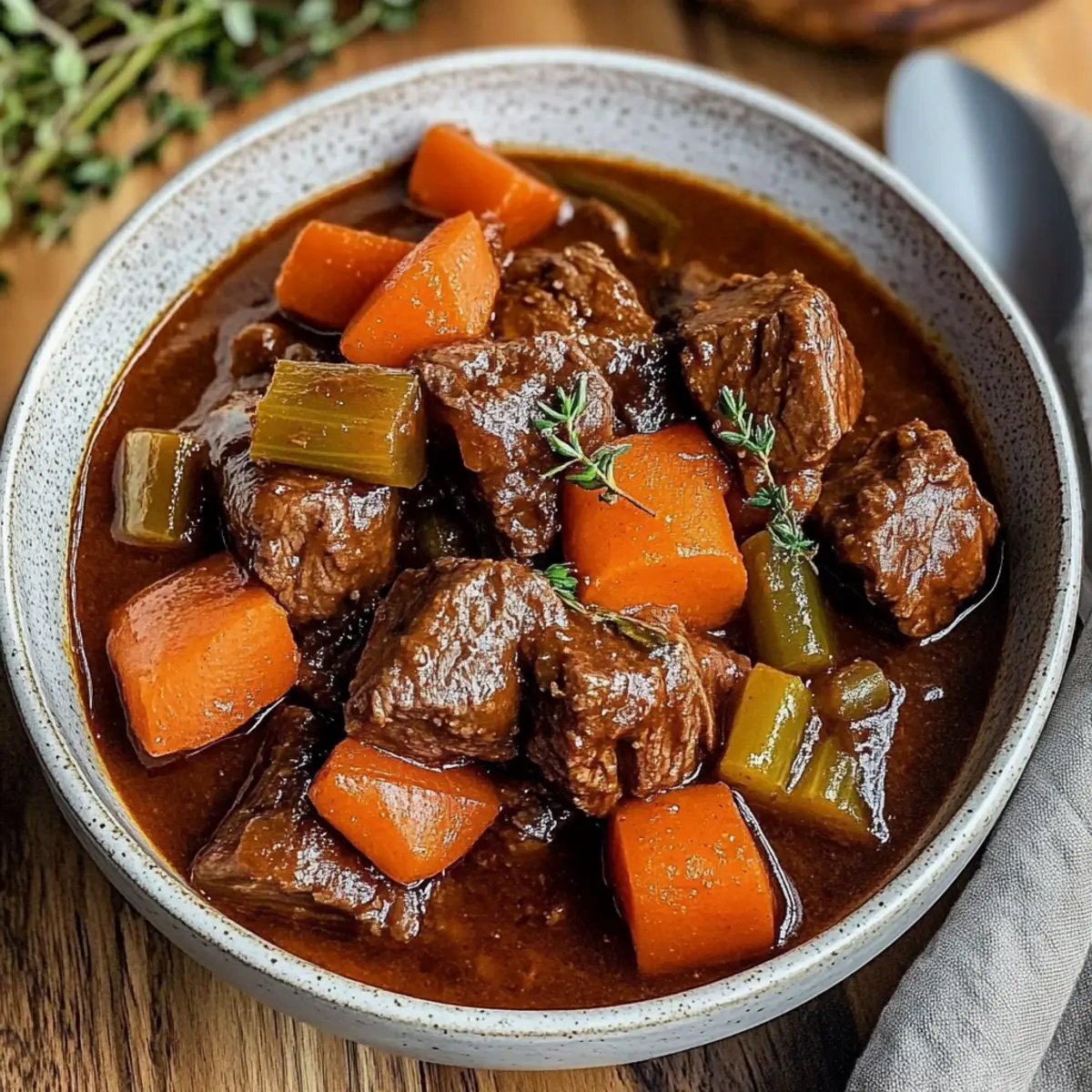
Slow Cooked Scottish Beef Stew for Heartwarming Nights
Ingredients
Equipment
Method
- In a large pot, heat 2 tablespoons of vegetable oil over medium-high heat. Add 1 kg of Aberdeen Angus braising beef, searing in batches for 5–7 minutes until golden brown on all sides.
- Sprinkle 2 tablespoons of plain flour over the browned beef, stirring thoroughly to coat each piece evenly.
- In the same pot, add the chopped onions and crushed garlic. Sauté over medium heat for about 4–5 minutes until the onions are transparent and fragrant.
- Stir in 2 tablespoons of red currant jelly with the sautéed onions and garlic until it melts, about 1–2 minutes. Return the browned beef to the pot.
- Pour in 500 ml of red wine, scraping the pot's bottom to release browned bits. Simmer for 2 minutes, then add chopped carrots, diced potatoes, and swede. Pour in 700 ml of beef stock, followed by 2 tablespoons of tomato puree and 1 tablespoon of Worcestershire sauce, stirring well to combine.
- Add 4 bay leaves, 2 teaspoons of dark brown sugar, and ¾ teaspoon each of salt and black pepper to the pot. Bring to a boil, then reduce to a low simmer. Cover and cook for about 3 hours in the oven at 160°C (320°F) or 6-8 hours in a slow cooker.
- Once the beef is tender and the stew has thickened, remove the bay leaves. Serve warm topped with fresh thyme, with crusty bread.
Leave a Reply