
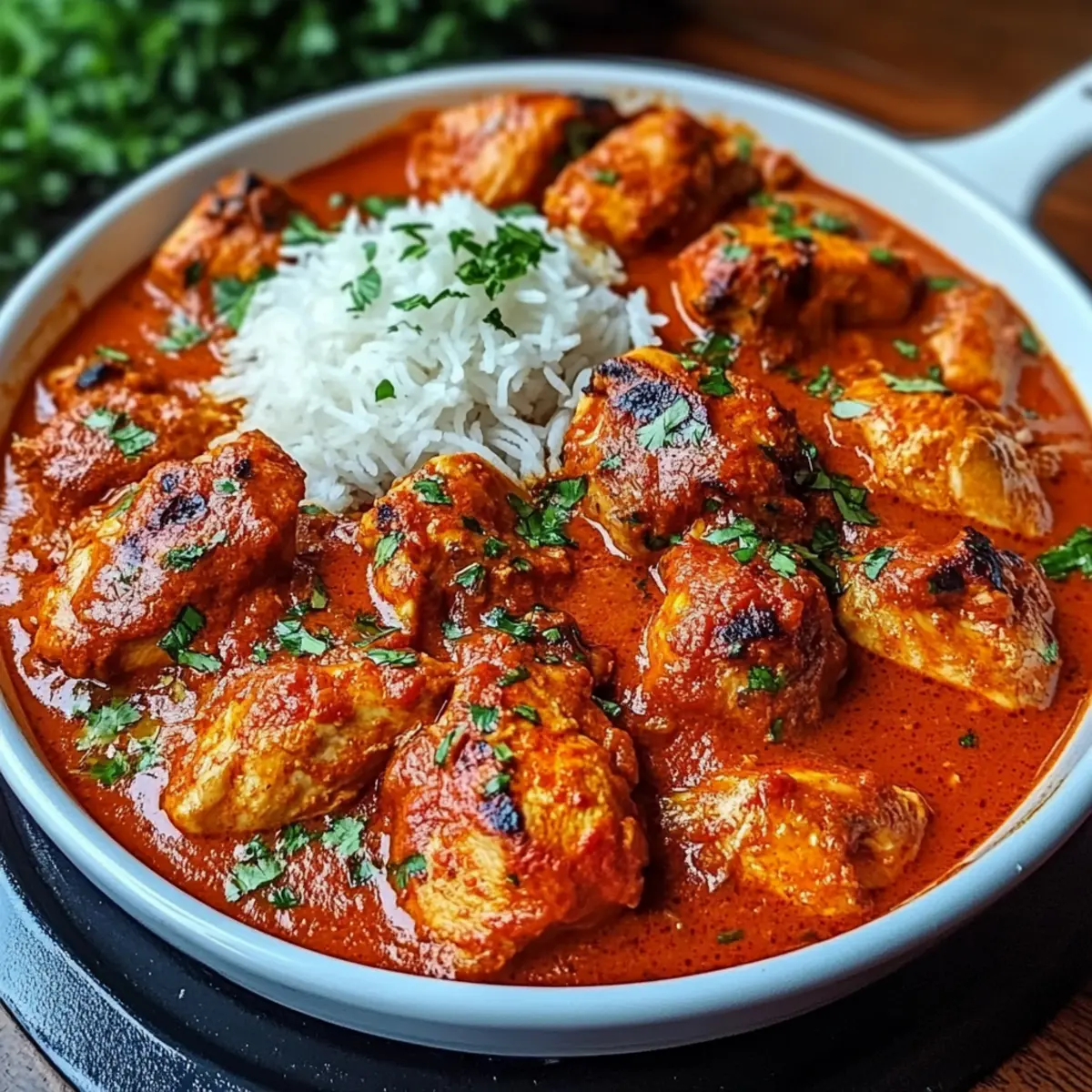
As I stood over the simmering pot, the tantalizing aromas curling through the kitchen transported me straight to the heart of Nigeria. With each passing minute, the rich, spicy scent of this Nigerian Chicken Stew began to weave its magic, beckoning everyone to gather round. A true comfort food, this one-pot wonder not only boasts juicy, tender chicken but also layers of flavor from vibrant peppers and a warm blend of spices. Perfect for those busy weeknight dinners, it’s a simple yet sophisticated dish that invites everyone back for seconds. Plus, it’s gluten-free and freezer-friendly, making meal prep a breeze. Ready to explore the comforting depths of this hearty stew that’s sure to become a family favorite? Let’s dive into the recipe!

Why is Nigerian Chicken Stew a must-try?
Comfort is at the heart of this dish, offering a cozy escape with each spoonful of warmth and flavor. Hearty ingredients come together in a delightful, one-pot meal that satisfies the soul, perfect for those cherished family gatherings. Flavorful spices meld beautifully, creating a robust experience that complements the juicy chicken and sweet bell peppers. Plus, it’s a versatile recipe that allows room for personal tweaks, like adding your favorite vegetables or adjusting the spice level. Quick prep makes it ideal for busy weeknights—just serve alongside rice or fufu, and you have a feast that everyone will love! If you enjoy comforting, home-cooked meals, you’ll certainly appreciate variations like Cheddar Bay Chicken or Dollys Chicken and Stuffing for your next culinary adventure.
Nigerian Chicken Stew Ingredients
• Dive into warmth and flavor
For the Stew
- Bone-in chicken thighs or drumsticks – Provides rich flavor and tenderness; boneless is a quicker alternative.
- Salt – Enhances flavor; sea salt or kosher salt works best.
- Black pepper – Adds subtle heat; freshly ground is preferred for depth.
- Paprika – Contributes vibrant color and savory notes; smoked paprika is an excellent choice.
- Curry powder – Infuses warmth and spice; adjust to your taste preference.
- Thyme – Offers fresh herbal notes; choose fresh if possible for a brighter flavor.
- Onion (chopped) – Forms the base flavor; yellow or white onion will work well.
- Vegetable oil – Used for browning chicken; any neutral oil will suffice.
For the Vegetables
- Roma tomatoes (4 large) – Essential for stewing, providing acidity and body; fresh is ideal.
- Red bell pepper – Adds sweetness and a pop of color; green bell pepper can substitute for a milder taste.
- Small red onion – Enhances sweetness and depth of flavor.
- Scotch bonnet peppers (2) – Brings a spicy kick; adjust quantity to control heat.
For Flavor Depth
- Tomato paste (2 tbsp) – Intensifies the tomato flavor; crucial for richness.
- Garlic powder – Enhances savory depth; fresh garlic can be an alternative.
- Ginger powder – Adds warmth and spice; fresh ginger is a great substitute.
- Bouillon cube (1) – Deepens flavor; homemade stock can be used for a more wholesome option.
- Additional salt – Always adjust to taste after simmering for optimal flavor.
This Nigerian Chicken Stew is not only comforting but promises to fill your kitchen with an inspiring aroma as it simmers away. Get ready to enjoy a hearty meal!
Step‑by‑Step Instructions for Nigerian Chicken Stew
Step 1: Marinate Chicken
In a large bowl, combine bone-in chicken thighs or drumsticks with salt, black pepper, paprika, curry powder, thyme, and chopped onion. Mix well to ensure the chicken is evenly coated in the spices. Cover and let it marinate for at least 30 minutes at room temperature, allowing the flavors to infuse the chicken deeply.
Step 2: Sear Chicken
Heat a large pot over medium-high heat and add vegetable oil. Once the oil is shimmering, carefully add the marinated chicken pieces, searing them for about 5-7 minutes on each side until they’re golden brown. Remove the chicken from the pot and set aside; this step builds a rich flavor base for your Nigerian Chicken Stew.
Step 3: Blend Vegetables
In a blender, combine the Roma tomatoes, red bell pepper, small red onion, and scotch bonnet peppers. Blend until smooth; this mixture will be the heart of the stew, adding both body and flavor. Pour the blended mixture into a bowl and set it aside while you prepare the pot for the next step.
Step 4: Cook Tomato Paste
Using the same pot where you seared the chicken, add the tomato paste and cook over medium heat for about 2 minutes, stirring constantly. As it darkens in color and starts to caramelize, it enhances the sauce’s flavor profile for your Nigerian Chicken Stew, creating a deeper, richer taste.
Step 5: Combine Ingredients
Pour the blended vegetable mixture into the pot with the cooked tomato paste. Bring to a simmer and cook for about 10 minutes, stirring occasionally until slightly thickened. Add garlic powder, ginger powder, and a bouillon cube, mixing well to ensure all flavors meld beautifully. Adjust salt to taste at this point.
Step 6: Simmer Stew
Return the seared chicken to the pot, ensuring they are nestled in the sauce. Cover with a lid, reduce the heat to low, and allow the stew to simmer for 25-30 minutes. Check occasionally for tenderness; the chicken should cook through and the sauce should thicken and deepen in flavor, creating a cozy finishing touch for your Nigerian Chicken Stew.

What to Serve with Nigerian Chicken Stew
A satisfying meal experience awaits when you pair this heartwarming stew with delightful accompaniments.
- Steamed Rice: Perfect for soaking up the rich sauce, steamed rice balances the stew’s bold spices, creating a complete and comforting dish.
- Fufu: A traditional choice, this starchy side complements the stew beautifully, offering a delightful texture to scoop up every savory bite.
- Crusty Bread: Serve with freshly baked crusty bread to dip into the flavorful sauce. It’s a wonderful way to enhance the meal’s heartiness and indulge in every flavor.
- Plantains: Sweet fried or steamed plantains add a contrasting sweetness that beautifully offsets the spices in the stew. They bring a delightful tropical flair to the table.
- Coleslaw: A refreshing coleslaw offers a crisp, light contrast to the thick stew. The crunch and tang of the slaw enhance the meal’s diverse textures.
- Spicy Green Beans: Sautéed green beans with a touch of spice provide a fresh, vibrant element, balancing the richness of the Nigerian Chicken Stew.
- Chilled Drink: A glass of chilled hibiscus tea or a light beer is excellent to wash down the meal. Their refreshing qualities complement the heat and flavors delightfully.
- Chocolate Cake: End on a sweet note with a slice of rich chocolate cake. The sweetness beautifully contrasts the savory spices of the stew, offering a satisfying conclusion to your meal.
- Ice Cream: A creamy scoop of vanilla or coconut ice cream offers a cool, soothing contrast to the bold flavors, making for an exquisite dessert experience.
Make Ahead Options
Nigerian Chicken Stew is a fantastic choice for meal prep, allowing busy cooks to save time during hectic weekdays! You can marinate the chicken with spices and chopped onion up to 24 hours in advance, enhancing the flavors beautifully. Additionally, the blended vegetable mixture can be made and stored in the refrigerator for up to 3 days, ensuring less work when it’s time to cook. When you’re ready to finish the dish, simply sear the marinated chicken, combine it with the prepared vegetables, and simmer until the chicken is tender and the stew is rich and flavorful. This way, you’ll enjoy a hearty, soul-soothing meal with minimal effort!
Nigerian Chicken Stew Variations & Substitutions
Feel free to play with this recipe and make it your own, exploring new flavors and textures that excite your palate!
-
Boneless Chicken: Use boneless chicken thighs for a quicker cooking time while still enjoying that tender texture.
-
Heat Adjustment: Swap scotch bonnet peppers for jalapeños or bell peppers to lower the heat and cater to milder tastes.
-
Veggie Boost: Add diced carrots, green beans, or peas for an extra layer of nutrition and a pop of color.
-
Fresh Herbs: Substitute dried thyme with fresh herbs like cilantro or parsley to brighten the dish’s flavors. Their freshness can elevate your stew!
-
Coconut Milk: For a creamy twist, stir in a splash of coconut milk towards the end of cooking. It adds a delightful sweetness that complements the spices beautifully.
-
Tomato Variations: If fresh Roma tomatoes aren’t available, canned tomatoes work in a pinch. Just remember to adjust the seasoning accordingly!
-
Bouillon Alternatives: Feel free to replace the bouillon cube with homemade chicken stock for an even richer flavor, making your stew that much more comforting.
-
Quinoa or Couscous Side: Instead of rice or fufu, serve the stew over fluffy quinoa or couscous for a unique grain twist, creating a delightful harmony with the sauce.
For those who love exploring new experiences in the kitchen, check out variations like Dollys Chicken and Stuffing or Cheddar Bay Chicken for added inspiration!
How to Store and Freeze Nigerian Chicken Stew
- Fridge: Store your Nigerian Chicken Stew in an airtight container for up to 4 days. This keeps it flavorful and fresh, ready for a quick meal anytime!
- Freezer: Freeze in portions in airtight containers or freezer bags for up to 2 months. Label them with the date for easy meal planning later.
- Reheating: When ready to enjoy, thaw in the refrigerator overnight and reheat gently on the stovetop over low heat, stirring occasionally for even warming. Adjust seasonings as necessary.
- Leftovers: Always check for quality before reheating. If stored properly, your stew should retain its hearty flavors and comforting aroma, making it a perfect meal to savor again.
Expert Tips for Nigerian Chicken Stew
- Use Fresh Ingredients: Fresh Roma tomatoes and vibrant peppers significantly enhance the stew’s flavor. Avoid canned tomatoes for the best results.
- Adjust Spice Level: Feel free to alter the number of scotch bonnet peppers. Start with one for milder heat, adding more for that authentic kick in your Nigerian Chicken Stew.
- Prevent Over-Thickening: If the stew thickens too much during simmering, simply add a splash of water or chicken broth to maintain the desired consistency.
- Marination Matters: Allowing the chicken to marinate for at least 30 minutes helps infuse the spices deep into the meat, enriching the overall taste of the dish.
- One-Pot Cooking: Embrace the beauty of one-pot cooking! It makes cleanup easier and enhances the melding of flavors, ensuring every bite is deliciously satisfying.
- Next-Day Flavor: The flavors continue to develop as the stew sits, often tasting even better the next day, so consider making this a day in advance for optimal enjoyment!
Nigerian Chicken Stew Recipe FAQs
What kind of chicken is best for Nigerian Chicken Stew?
Absolutely! Bone-in chicken thighs or drumsticks are preferred for their rich flavor and tenderness. If you’re short on time, feel free to substitute with boneless thighs for quicker cooking without sacrificing too much flavor.
How do I store Nigerian Chicken Stew properly?
Store your Nigerian Chicken Stew in an airtight container in the refrigerator for up to 4 days. This keeps it flavorful and fresh, making it easy to reheat for quick meals throughout the week. Be sure to let it cool down to room temperature before sealing it up to maintain optimal taste.
Can I freeze Nigerian Chicken Stew?
Very! You can freeze your stew in portions! Just transfer it into airtight containers or freezer bags, labeling each with the date. It can be frozen for up to 2 months, making it convenient for meal prep! To enjoy, just thaw it in the refrigerator overnight and reheat on the stovetop over low heat.
How can I adjust the heat level in my stew?
If you find the spice level too intense, you can scale down the number of scotch bonnet peppers used. Starting with one pepper gives a mild kick, while adding more allows you to reach your preferred heat level. For milder options, consider replacing scotch bonnets with sweet bell peppers.
Can I add vegetables to my Nigerian Chicken Stew?
Definitely! Adding carrots, green beans, or even spinach can enhance both the nutrition and flavor of the dish. Simply chop the vegetables and include them in the stew during the simmering phase. They will cook tenderly and absorb the delicious spices, adding even more heartiness to your meal.
What should I do if the stew gets too thick?
If your stew thickens too much during cooking, simply add a splash of water or chicken broth. Stir it well and let it simmer for a few more minutes. This should help regain the desired consistency while keeping all that lovely flavor intact!

Nigerian Chicken Stew: Cozy Flavor in Every Savory Spoonful
Ingredients
Equipment
Method
- Marinate chicken: In a large bowl, combine chicken with salt, black pepper, paprika, curry powder, thyme, and chopped onion. Mix well and marinate for at least 30 minutes.
- Sear chicken: Heat a large pot over medium-high heat with vegetable oil. Add marinated chicken, searing for 5-7 minutes per side until golden brown. Remove and set aside.
- Blend vegetables: In a blender, combine Roma tomatoes, red bell pepper, small red onion, and scotch bonnet peppers. Blend until smooth.
- Cook tomato paste: In the same pot, add the tomato paste and cook over medium heat for about 2 minutes, stirring constantly.
- Combine ingredients: Pour blended vegetable mixture into the pot with cooked tomato paste. Simmer for about 10 minutes. Add garlic and ginger powders, and bouillon, mixing well.
- Simmer stew: Return seared chicken to the pot, cover, reduce heat to low, and simmer for 25-30 minutes until chicken is tender and sauce is thickened.
Leave a Reply